Art teachers do important work, inspiring students and making a difference every day. Art to Remember is here graciously to support you with lesson plans, art show labels, a new teacher survival kit, and a fundraising program that we’ve optimized for over 30 years with one goal in mind – to raise funds for art education. We hope you find our back-to-school tips are helpful as you embark on another year of creativity!
1. Create a plan of action for your workdays leading up to back-to-school.
Coming back to the classroom after summer break can feel overwhelming, but heading in with a plan of action will help you to focus and save time.
- As you prepare to set up bulletin boards, save time by printing and cutting components at home. Using a bulletin board letter kit? Punch out the letters you need at home and have them bagged so the lettering goes on quickly at school.
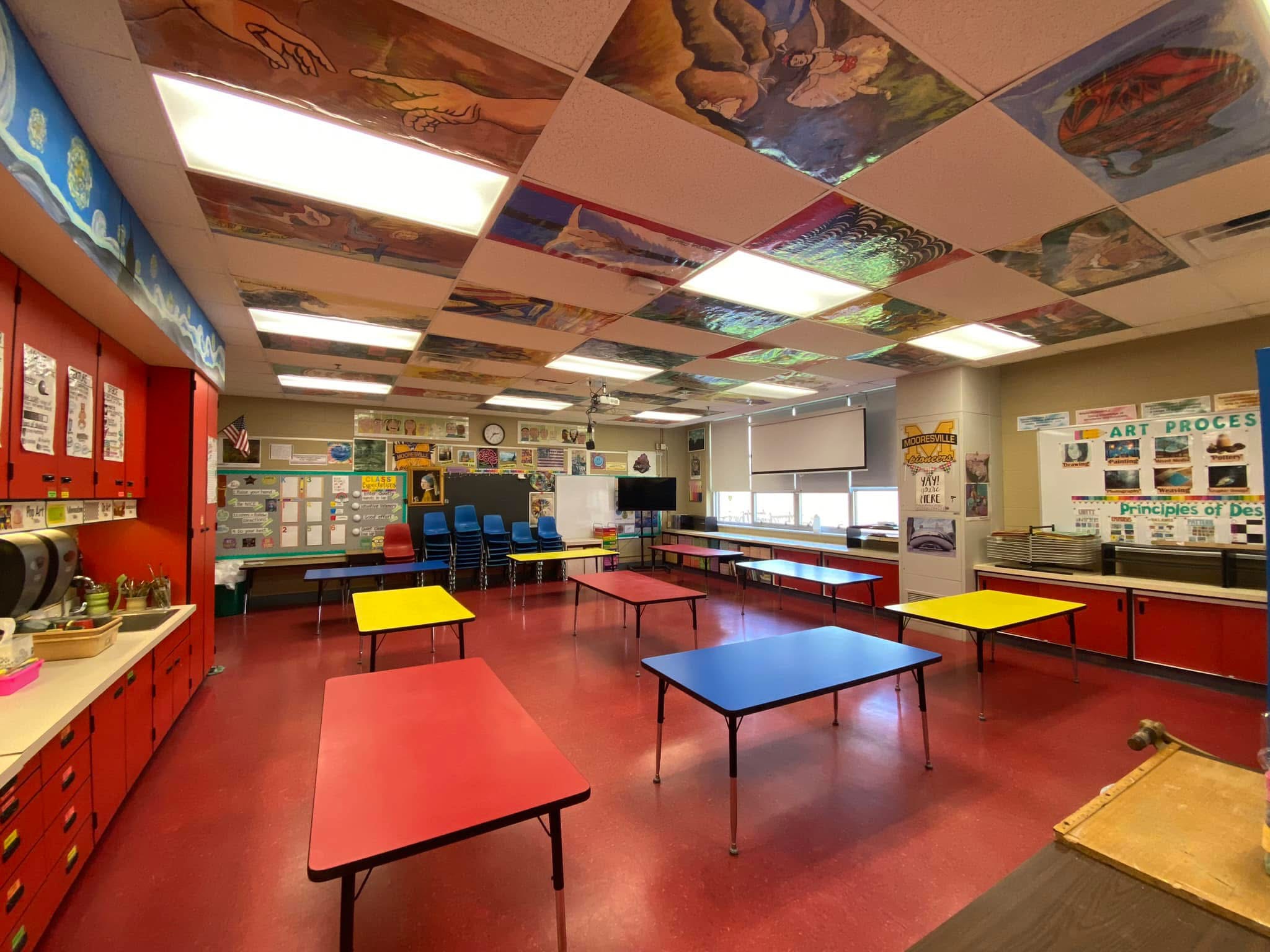
- Check out our room-ready checklist as a good reminder of the main items to accomplish.
2. Build rapport and community from the start with a collaborative project.
Since students often work independently in the art room, the beginning of school is a great time to build community and experience collaboration. A collaborative project lets students create on the first day with less pressure, allowing you and the students to ease back into routines. Not to mention, the preparation of supplies for a table group is easier the first week back.
Since students often work independently in the art room, the beginning of school is a great time to build community and experience collaboration. A collaborative project lets students create on the first day with less pressure, allowing you and the students to ease back into routines. Not to mention, the preparation of supplies for a table group is easier the first week back.
The same lesson for the whole school can serve as a unity project. You’ll be able to have a project display up on the walls quickly that all students contributed to!
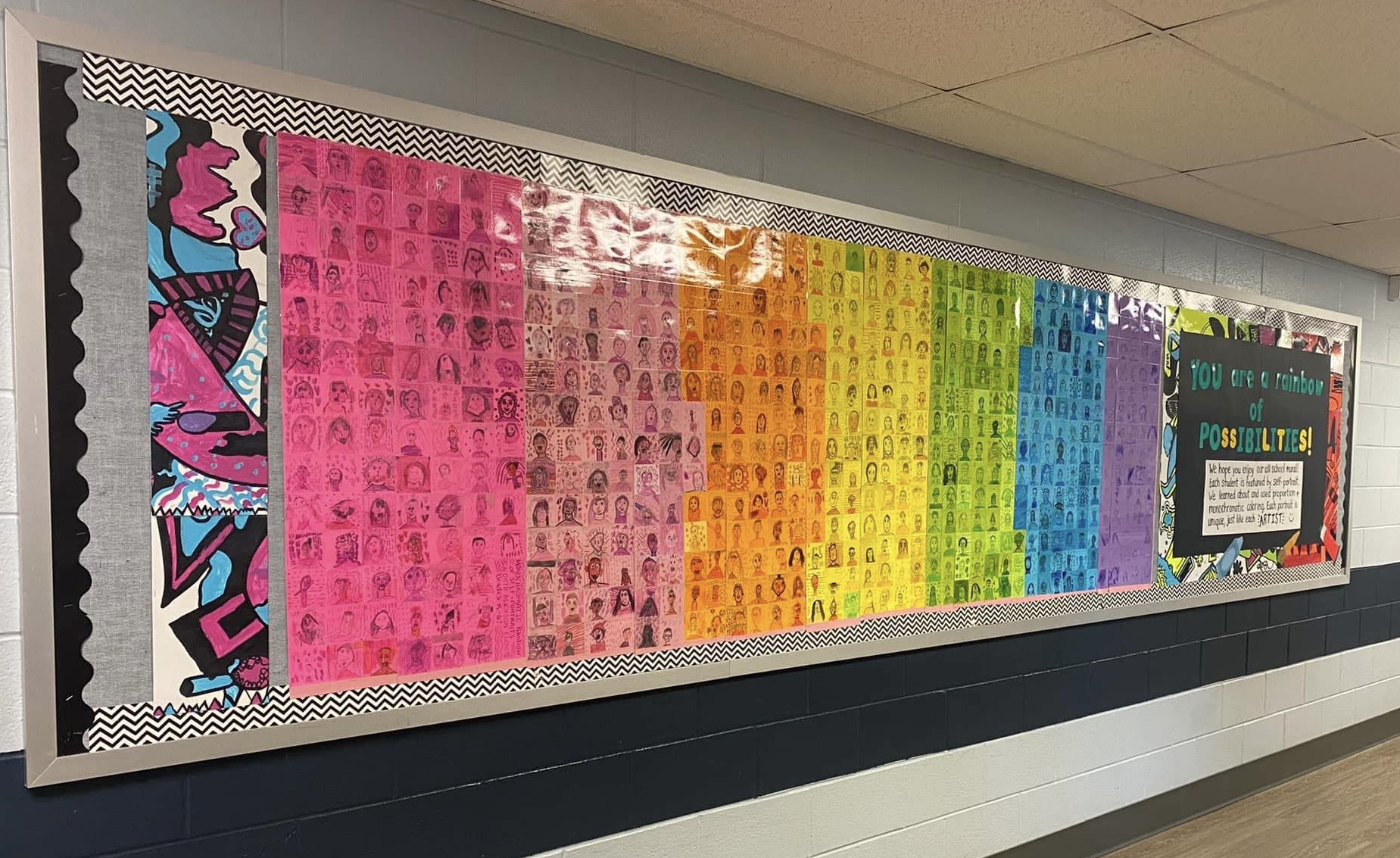
We love the Sticky Note Self Portraits as a school-wide first project! Each grade level is assigned a color and learns about using monochromatic color schemes to design their self-portrait. The portraits are displayed in order by grade level. It’s fun to see advancing progress of skills as you move up the display, and students love searching for themselves!
Check out more collaborative art ideas for your classroom!
3. Help kindergarteners ease into school with tactile art.
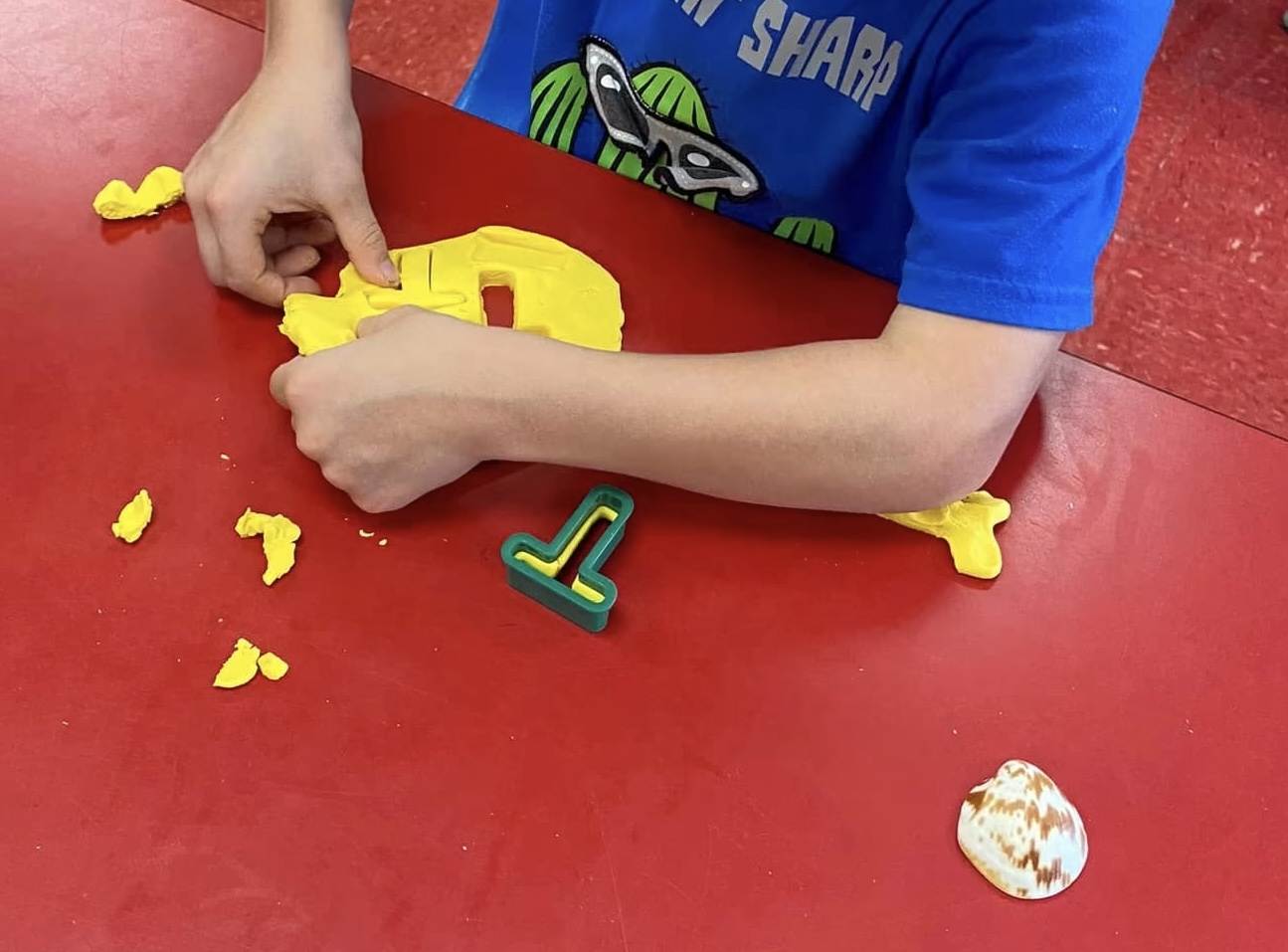
The first day of school is highly anticipated but can also be scary for the little ones. Art is so relatable and can help ease the transition. For example, playdoh stations are a great way for every child to access creativity as they build fine motor skills. They can stamp with seashells and found objects you’ve set aside, sculpt, or use added popsicle sticks to build.
Here are some other tips for your kindergarten artists.
4. Have your classroom management system ready to launch on day one.
We all know that a good classroom management system is easy for the kids to buy into, easy to implement, and allows you to be consistent. Finding that plan can be a long process of trial and error, and just because something used to work doesn’t mean it works now.
- One of the greatest books we’ve found for classroom management in the specials area is: “Classroom Management for Art, Music, and PE Teachers” by Michael Linsin.
- Simple rewards can be great motivators! Consider a reward that doesn’t cost you out-of-pocket expenses!
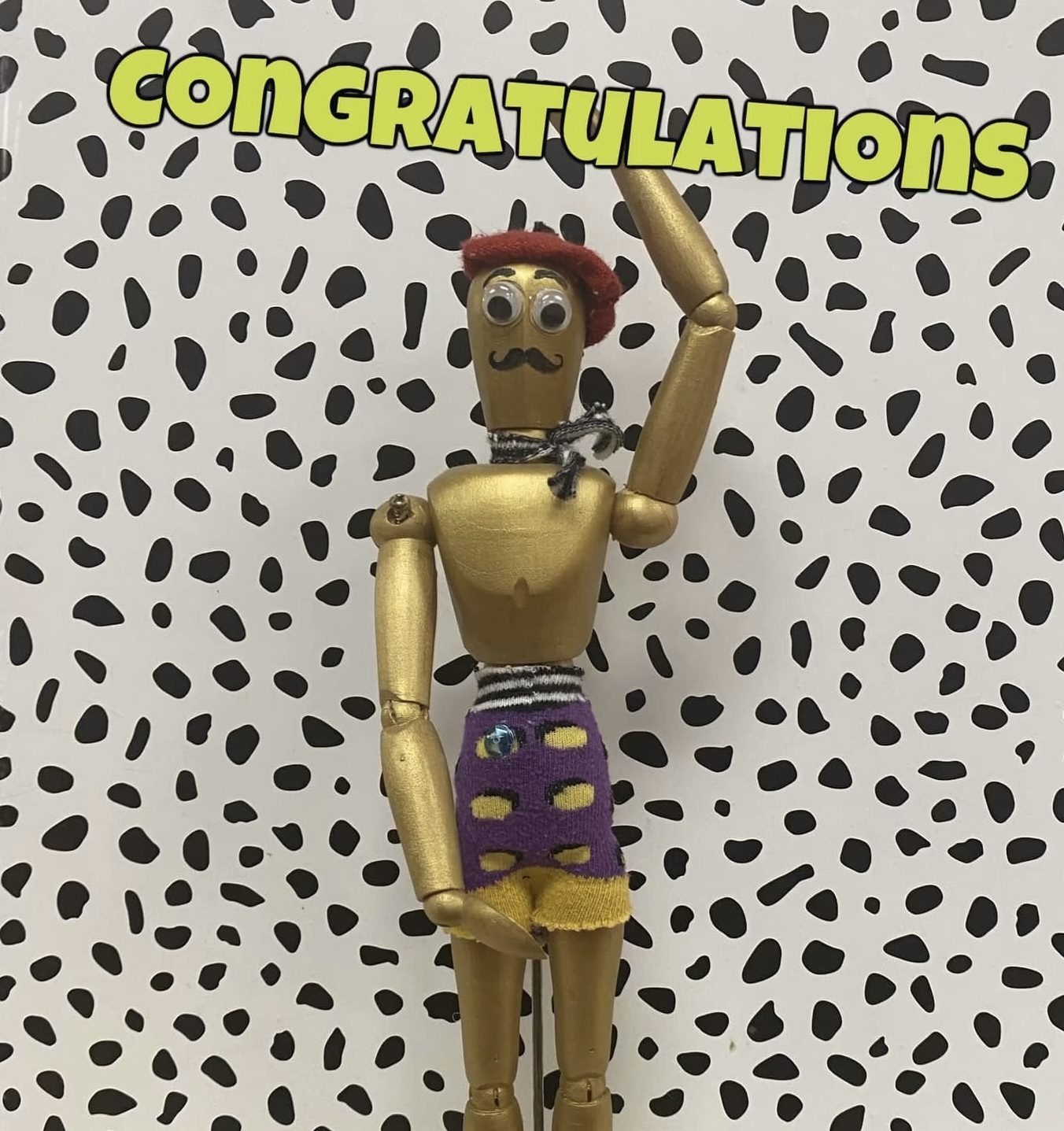
Meet Artie, a good behavior trophy coveted by students in my art room! Every visit, students had the opportunity to earn 4 points: 1 for entering quietly, 1 for attentive listening, 1 for best effort, and 1 for quiet clean up/lineup. Milestone rewards were awarded as follows: 20 points for a seat swap for a day, 30 points for music while creating, and 50 points to take the trophy back to their room for bragging rights. Artie would stay in their homeroom until someone else earned enough to steal him away.
5. Carve out a space in your room arrangement for demonstrations.
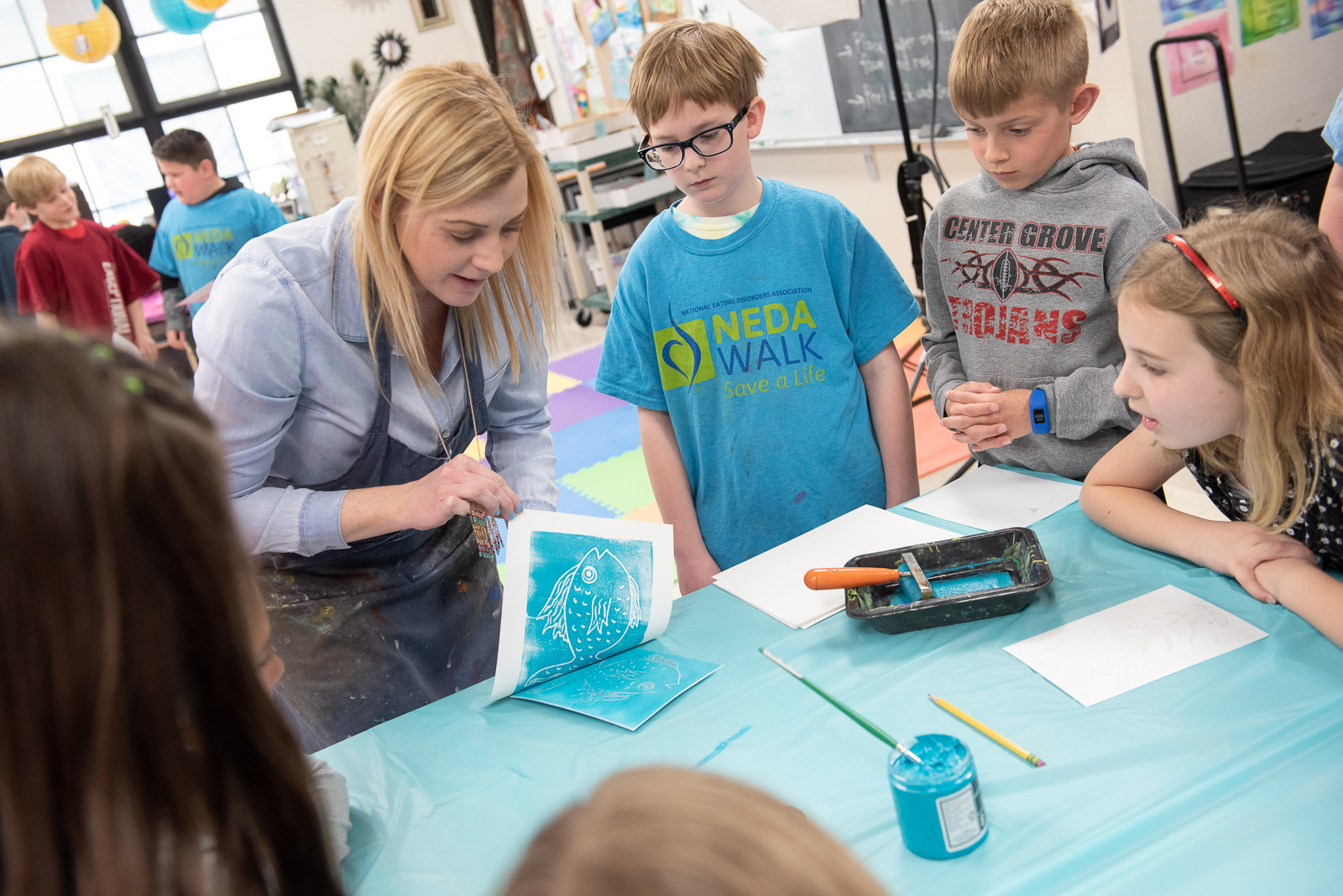
Having a space where students can easily gather for project demonstrations is key to a great functioning art room! I couldn’t have survived without my document camera for demonstrations; it’s a lifesaver! It makes guided drawings and small demonstrations so accessible by placing your teaching on the projector screen. Students can remain seated and comfortable to watch or work alongside you. That being said, some things are just better witnessed firsthand such as clay techniques. A dedicated demonstration space will serve the room well.
6. Use a seating chart to support diverse learning needs.
Seating charts can be controversial in a creative space, but they provide easier management year-round in so many ways. Scope out and provide preferential seating for your students with IEPs. Create a greater sense of calm by strategically seating students near others they work alongside of the best. Get to know names faster and remember how to pronounce tricky names…you know you’re going to hear about it if you say it wrong. It’s also great to have correct student name spellings on hand for displaying artwork and creating labels. Seating charts provide much easier management when a sub is visiting the room. It’s also just a great tracking tool for so many things in the art room.
7. Have core materials organized and accessible for the new school year.
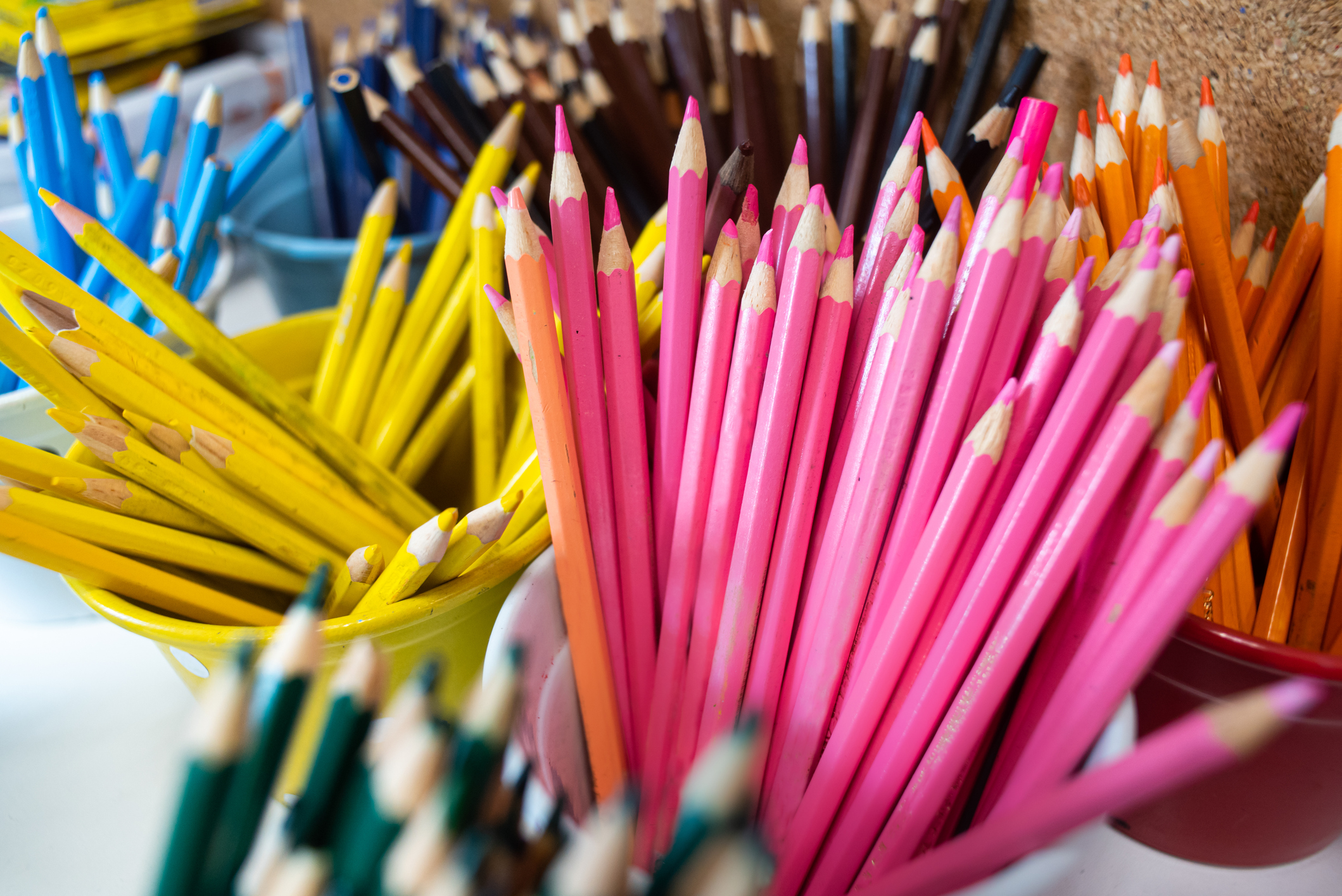
You’re looking for ease of locating supplies to distribute in the short amount of time you have during your prep and class sessions. Divide frequently used supplies into containers so they are accessible and quick to hand out to table groups for sharing.
Here are some tips to organize frequently used supplies:
- Create a supply spot on your countertop for quick access of high-use items.
- Drill holes in a block of wood to store sharpies upright. This results in quick hand out and collection at the end of class.
- Label the outside of cabinets and drawers with contents for easy finding!
- Keep extra trays and bins on hand to fill with supplies for table groups.
- Stock up on messy mats to protect table surfaces.
8. Know your school or district’s budget for the year so you can plan for needed supply purchases.
We know that art supplies are expensive and consumable by nature, which are two major points to advocate to your administration. With many schools facing budget cuts, the need for extra funding is greater than ever.
If you are considering an art fundraiser and need buy-in from your PTO or administration, we’ve created a Presentation Guide complete with a Google Slide Deck!
9. Showcase your art program and supplement your budget with an Art to Remember fundraiser.
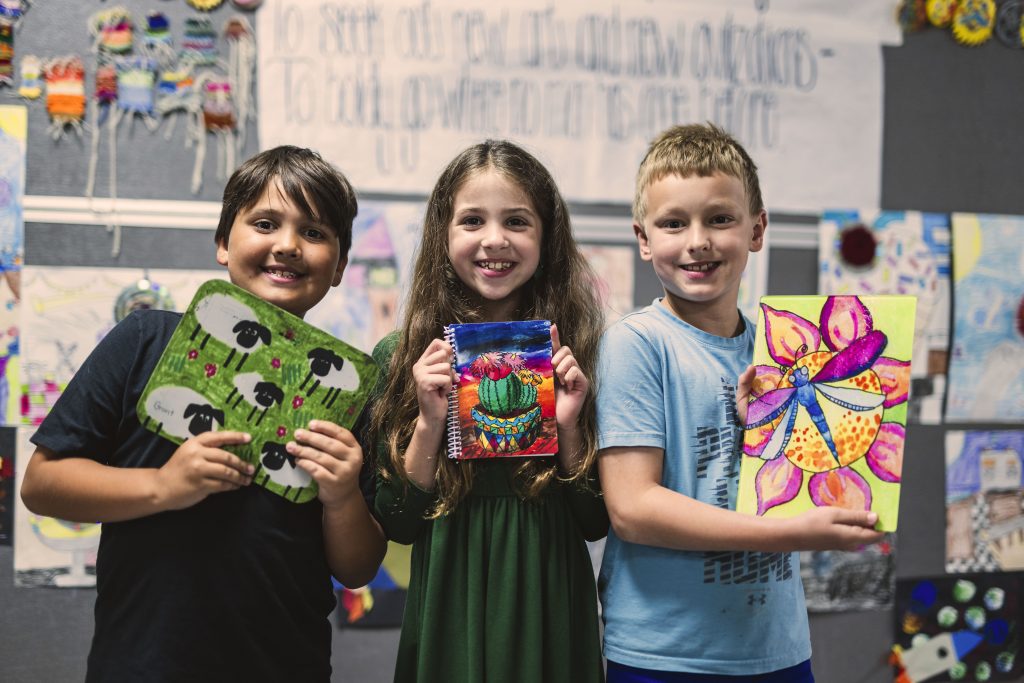
Signing up for an Art to Remember fundraiser helps put a spotlight on your art program and student creativity, while also raising extra funds for supply purchases, professional development, furniture needs, fields trips, art club, etc.
10. Give yourself grace and find ways to feed your own inspiration.
Finding your work/life balance is so important. There are a lot of full days getting the room and plans ready again; allow yourself to ease back in gently. Ask for help, set an end-time each day, and remember beautiful things come together one stitch at a time.
Be sure to connect with your art teacher colleagues. They can be your greatest source of support and inspiration. Keep your relationships strong-they are the colleagues walking the same path. It is so comforting to vent and problem-solve with educators who truly understand your day-to-day. When you’re stuck in a rut, it’s helpful to bounce ideas off each other and rely on each other’s strengths.
Enjoy the excitement of a new year and a blank canvas. At Art to Remember, we’re here cheering you on. Let us know how we can support you. Contact Art to Remember!